
Services / Registration and Entry Environments
Registration and Entry Environments in Atlanta
Registration and Entry Environments in Atlanta covers concept clarity, fabrication discipline, venue readiness, and the show-floor decisions that decide whether an exhibit program performs once the schedule becomes real. Exhibitors working across Airport / College Park and venue corridors such as Centennial Olympic Park face freight, labor, and venue-service constraints that are much more specific than the broader national average. The entry is built to show how the work fits together before the schedule tightens and the project has to be executed in the real world.
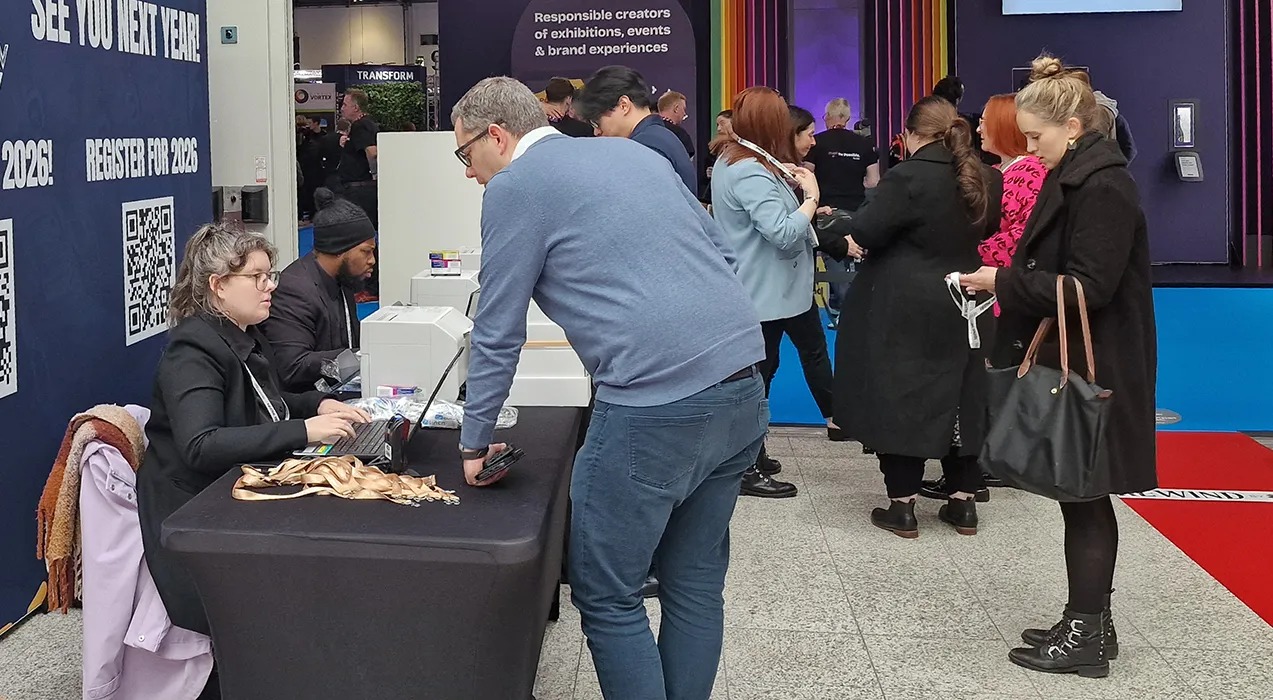
How Registration and Entry Environments gets scoped for Atlanta
The environments in Atlanta should be scoped as a service decision against the actual event corridor, the booth footprint, the fabrication path, and the audience expectation before anyone starts comparing prices.
For the environments in the service category, Airport / College Park and Cumberland / Cobb do not behave the same way.
For the environments, the strongest Atlanta scopes are the ones that define the build path early, avoid waste later, and leave enough room for the message to feel intentional on the floor.
That mix of creative and operational thinking is what gives this service entry for the environments its value.
Where Registration and Entry Environments fits inside a full-service program
In practice, the environments sits inside the service layer of a broader program with several adjacent workstreams, and the value comes from how those workstreams are tied together.
For Atlanta buyers considering the environments as a service, the smartest approach is often a stable program backbone plus targeted upgrades.
That is especially important for the environments, because the support work only performs well when it is designed as part of the whole exhibit system rather than as an afterthought.
That broader picture also helps buyers compare the environments to adjacent services from the service angle.
Venue, freight, and show-floor considerations
Centennial Olympic Park and Georgia International Convention Center are useful reference points for the environments in the service set because they show how venue mix changes the right exhibit strategy. GWCCA describes Centennial Olympic Park as an iconic 22-acre park within the campus ecosystem.
Show-floor behavior matters just as much as booth appearance for the environments in this service context.
Strong exhibit-company planning also helps exhibitors sequence freight and setup more cleanly for the environments as a service.
A good venue-aware service entry on the environments also reminds the buyer that the building is part of the scope.
Labor and vendor coordination that buyers should expect
Write Cobb copy around client-choice general contractors plus exclusive utilities, catering, shipping/receiving, and rigging. That is the safest way to talk about show-site coordination for the environments in Atlanta. Rather than pretending every venue works the same way, Trade Show Exhibit Company of Atlanta treats labor and vendor planning as part of the early scope conversation so exhibitors know where exclusive services, show-management approval, or exhibitor-appointed-contractor coordination may affect the execution path.
This is especially important for the environments in the service family because many full-service scopes involve several moving parts at once: structure, graphics, utilities, AV, internet, shipping, receiving, and final dismantle.
A realistic service entry on the environments should therefore give room to both creative and operational questions.
The point of planning the environments as a service this way is not to overcomplicate the project.
What buyers often overlook when comparing options
One common service mistake is assuming the lowest visible booth cost is automatically the strongest value. In Atlanta, a cheaper scope can become more expensive if it introduces extra freight handling, forces rushed fabrication, or relies on vendors that are not aligned before the install window closes. The environments should be evaluated across the whole operating cycle, not simply the first show.
Another service issue with the environments is overcommitting before the event calendar is fully understood.
Finally, buyers often underestimate how much better a show feels when the layout, graphics, staffing plan, and production logic are aligned. Clear product stories, calmer meeting zones, deliberate storage, and a smart arrival sequence do not happen by accident. They come from planning the environments as part of a broader exhibit system that has been shaped for real show-floor use in Airport / College Park.
The service comparison for the environments should also ask whether the entry reflects actual operating conditions.
How Registration and Entry Environments connects to the rest of the Atlanta program
The environments sits within a larger Atlanta planning map as a service topic that connects to complementary service, venue, location, event-type, booth-type, and industry scopes.
For the environments, each adjacent scope adds a different planning layer, whether that means an exhibit system behaving differently at Centennial Olympic Park, a scope shifting between Airport / College Park and Cumberland / Cobb, or the same program backbone being reworked for a different audience type.
A useful next step for buyers is usually to compare the environments against the closest adjacent service and support scopes, review the relevant Atlanta venue notes, and then move into a direct project inquiry with the practical details already defined.
That is the point of the service entry architecture for the environments: keep the buyer moving from broad intent to the exact decision that matters most next.
FAQ
How should exhibitors budget Registration and Entry Environments as an Atlanta service?
Budgeting the environments as an Atlanta service should start with footprint, creative ambition, fabrication complexity, and venue corridor before add-ons are layered in.
Does Registration and Entry Environments change between Downtown Atlanta and other submarkets for this service?
Yes.
Why does venue planning matter for Registration and Entry Environments as a service?
For the environments in the service set, Centennial Olympic Park illustrates why venue context matters.
What should buyers ask about labor and vendor coordination for Registration and Entry Environments as a service?
Write Cobb copy around client-choice general contractors plus exclusive utilities, catering, shipping/receiving, and rigging. For the environments, buyers should ask early about exhibitor-appointed-contractor rules, exclusive services, utilities, and any house-service requirements that could change how the program is staged.
When does Registration and Entry Environments need a custom build instead of a rental approach in this service context?
The environments needs a custom build in this service context when the brand requires a stronger identity moment, a more specific footprint, or hardware that will be reused across several shows.
What is the biggest mistake buyers make on Registration and Entry Environments as a service?
The most common the environments mistake in this service context is treating the topic like a design label instead of an operating decision.
Adjacent decisions
Keep the Atlanta plan moving.
Inquiry
Trade Show Exhibit Company of Atlanta
Atlanta exhibit programs shaped with design, fabrication, logistics, and show-floor accountability.