
Locations
Locations in Atlanta
Use Atlanta location pages to compare venue access, travel rhythm, freight assumptions, and the kind of exhibit support that fits each corridor.
Location pages should not read like a list of city names. In metro Atlanta, the location changes how a booth program gets staged, how crews and stakeholders reach the venue, and how much schedule margin the team needs before the floor opens.
The research for this site separates the market into practical operating zones: Downtown Atlanta and Centennial Park, the Airport and College Park corridor, Cumberland and Cobb, and Duluth and Gwinnett. Each zone supports a different event rhythm.
These pages help buyers connect the geography to the work. A project in downtown Atlanta may need heavier convention-campus planning, while a College Park event may be formed by fly-in timing, and a Cobb or Gwinnett event may lean more on regional access and facility-specific scheduling.
Use this section when the first known detail is where the event will happen. The right location page should make the service conversation more grounded instead of simply adding a place name to a generic exhibit pitch.
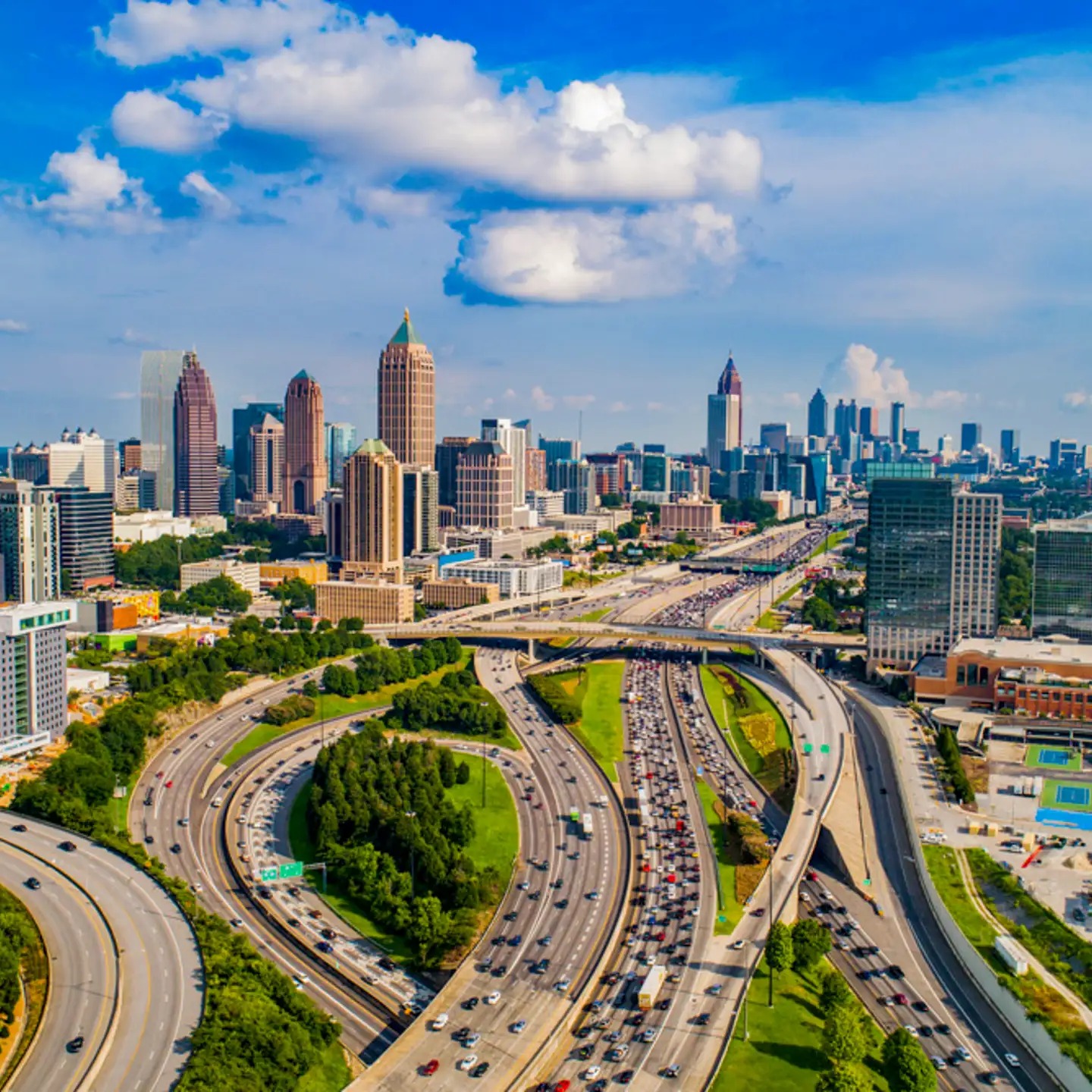
Atlanta, GA
Atlanta, GA: Start here for central Atlanta programs that may connect convention, hotel, market, sports, and activation settings into one broader exhibit plan.
Read moreDowntown Atlanta, GA
Downtown Atlanta, GA: Use this page for downtown scopes where GWCC, Centennial Olympic Park, AmericasMart, nearby hotels, and pedestrian traffic can all affect the support model.
Read moreMidtown Atlanta, GA
Midtown Atlanta, GA: Read this when Midtown meeting, hotel, and corporate-event activity requires a booth plan that stays polished without assuming a large convention-hall footprint.
Read moreBuckhead, Atlanta, GA
Buckhead, Atlanta, GA: Use this for Buckhead-facing programs where executive meetings, hospitality, and brand presentation may matter more than heavy exhibit-hall production.
Read moreWest Midtown, Atlanta, GA
West Midtown, Atlanta, GA: Read this for West Midtown activations that may need more flexible fabrication, faster reset behavior, or a branded environment shaped around nontraditional event space.
Read moreOld Fourth Ward, Atlanta, GA
Old Fourth Ward, Atlanta, GA: Use this when the project needs a neighborhood activation lens, with visitor arrival, compact footprints, and local event rhythm treated as part of the plan.
Read moreBrookhaven, GA
Brookhaven, GA: Read this for north-side programs where access, meeting format, and regional audience behavior may change the right mix of rental, modular, and show-site support.
Read moreDecatur, GA
Decatur, GA: Use this for Decatur-area events that need a more compact local plan, clearer logistics, and exhibit assets that still align with the larger Atlanta program.
Read moreCorridors decide how the plan behaves
Atlanta exhibit work is easier to scope when the location is treated as an operating condition. The same booth footprint can require different freight timing, staffing assumptions, meeting-space support, or reset plans depending on the corridor.
Downtown Atlanta concentrates GWCC, Centennial Olympic Park, AmericasMart, convention hotels, and sports-adjacent activity. That density rewards early paperwork, clear dock timing, and strong coordination between the booth plan and the broader campus environment.
Airport, Cobb, and Gwinnett work often asks for a different kind of discipline. Those locations may prioritize fast travel, regional access, ballroom flexibility, arena conversion, or a cleaner setup path for teams that are not working inside the downtown convention core.
Location pages should make local tradeoffs visible
A useful location entry explains what changes when the project moves from one part of the metro to another. It should point buyers toward the service mix, venue type, and schedule assumptions that matter most in that area.
That does not mean inventing claims about local crews or warehouse coverage. It means using the verified market research to show how venue clusters, audience movement, and access patterns affect the plan.
The buyer should be able to read a location page and understand why the booth might need a different logistics path, graphics schedule, staff plan, or support model in that part of Atlanta.
How locations connect to venues and services
The strongest local planning usually happens when a location page is paired with a venue page and a service page. That combination turns a broad geography into a real operating picture.
For example, a College Park project may point naturally toward GICC or Gateway Center Arena, while a Cumberland-area project may need Cobb Convention Center or Cobb Energy Centre planning. The location is the context; the venue and service pages turn it into an executable scope.
This is also how the site avoids thin doorway copy. Each location page should help the buyer decide what to read next and why that next page matters.
What buyers should bring from a location page
After reading a location page, a buyer should have a better question than whether the company serves the area. The stronger question is how the event setting changes the plan.
That may mean asking about freight access, venue service rules, hotel or meeting-room support, airport timing, suburban travel, or how a booth system can stay consistent across several Atlanta locations.
A location page earns its place when it makes the first planning call more precise. It should help the buyer explain where the work is happening and what that place is likely to change.
Next move