
Contact
Contact Trade Show Exhibit Company of Atlanta
Start a full-service exhibit scope for Atlanta conventions, expos, conferences, and venue-specific exhibit programs.
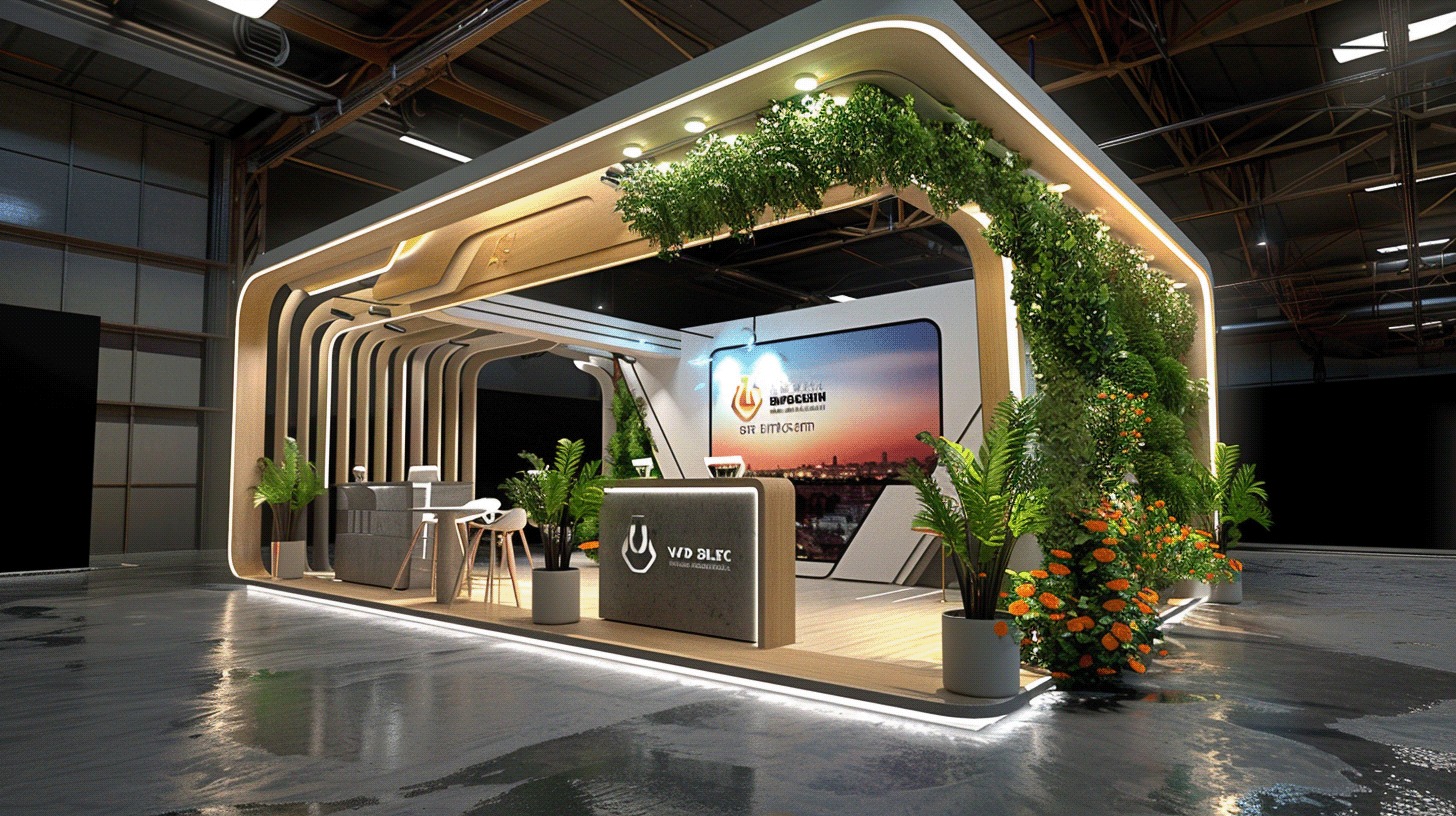
What to send before the first planning call
Start with the basics that actually affect the build path: target show date, venue or city, booth size, visual ambition, fabrication complexity, AV needs, and whether the same system needs to flex into multiple events.
It also helps to flag any venue constraints you already know. If the work is tied to Georgia World Congress Center, Cobb, GICC, or another Atlanta-area property, house-service rules and freight patterns can change how the program should be planned.
Those details help clarify whether the right answer is a strategic refresh, a modular build, a fully custom environment, or a phased rollout that can grow over time.
The more concrete the first note is, the easier it becomes to give a useful response. A simple summary of the event, the audience, the booth size, and the kind of experience you want on the floor usually gets the project moving faster than a broad inquiry ever could.
Who the contact form is built for
Trade Show Exhibit Company of Atlanta works with exhibitors, event teams, and marketing leads who need an exhibit system that can survive real show use, whether that means one flagship Atlanta event or a broader program that moves across several events throughout the year.
The form fields are direct because the right conversation depends on the right details. Timeline, budget shape, logistics complexity, and venue constraints usually decide whether a full-service exhibit-company model is the right fit.
That keeps the first conversation focused on scope instead of forcing a vague general inquiry. The goal is to make the next step easy to understand, easy to prepare, and easy to move forward.
If the project is still broad, the form creates a safe place to sort out the basics. If it is already defined, the form gives enough structure to turn the inquiry into a real planning conversation.
How the first response is used
The first response should help clarify the project path rather than bury the buyer in jargon. If the scope needs more information, the response should identify the missing pieces. If the scope is already clear, it should move toward a more concrete discussion of timeline, venue requirements, and the workstreams that matter most.
That approach reflects the whole operation. The company is trying to reduce friction, not create it. A useful response should help the buyer decide whether the project is a fit, what has to happen next, and how much of the event planning can be simplified by treating design, production, and logistics as one connected process.
The contact section is therefore less about collecting volume and more about starting the right conversation. If the exchange is good, the rest of the project usually gets easier.
Contact details
(404) 800-7072
booth@tradeshowexhibitcompanyatlanta.com