
Services
Services in Atlanta
Compare Atlanta exhibit services by the decisions they control: design intent, fabrication timing, freight, labor, graphics, AV, and show-site supervision.
Service planning is where an Atlanta exhibit program becomes real. A booth idea can look strong in a deck, but the services around it decide whether the structure can be built on time, packed correctly, installed cleanly, and used by the sales team without constant workarounds.
The service mix changes by venue corridor. Downtown convention work around Georgia World Congress Center and AmericasMart carries a different operating load than airport-corridor events at GICC, ballroom-heavy Cobb programs, or Gwinnett shows at Gas South District.
These pages separate the work into practical scopes so buyers can see which decisions need creative direction, which need production control, and which need venue paperwork or show-service coordination before move-in.
Use this section when the first question is what kind of help the project needs. A team may start with booth design, but the better answer might be fabrication discipline, EAC coordination, freight planning, labor management, graphics production, or a full program lead tying those services together.
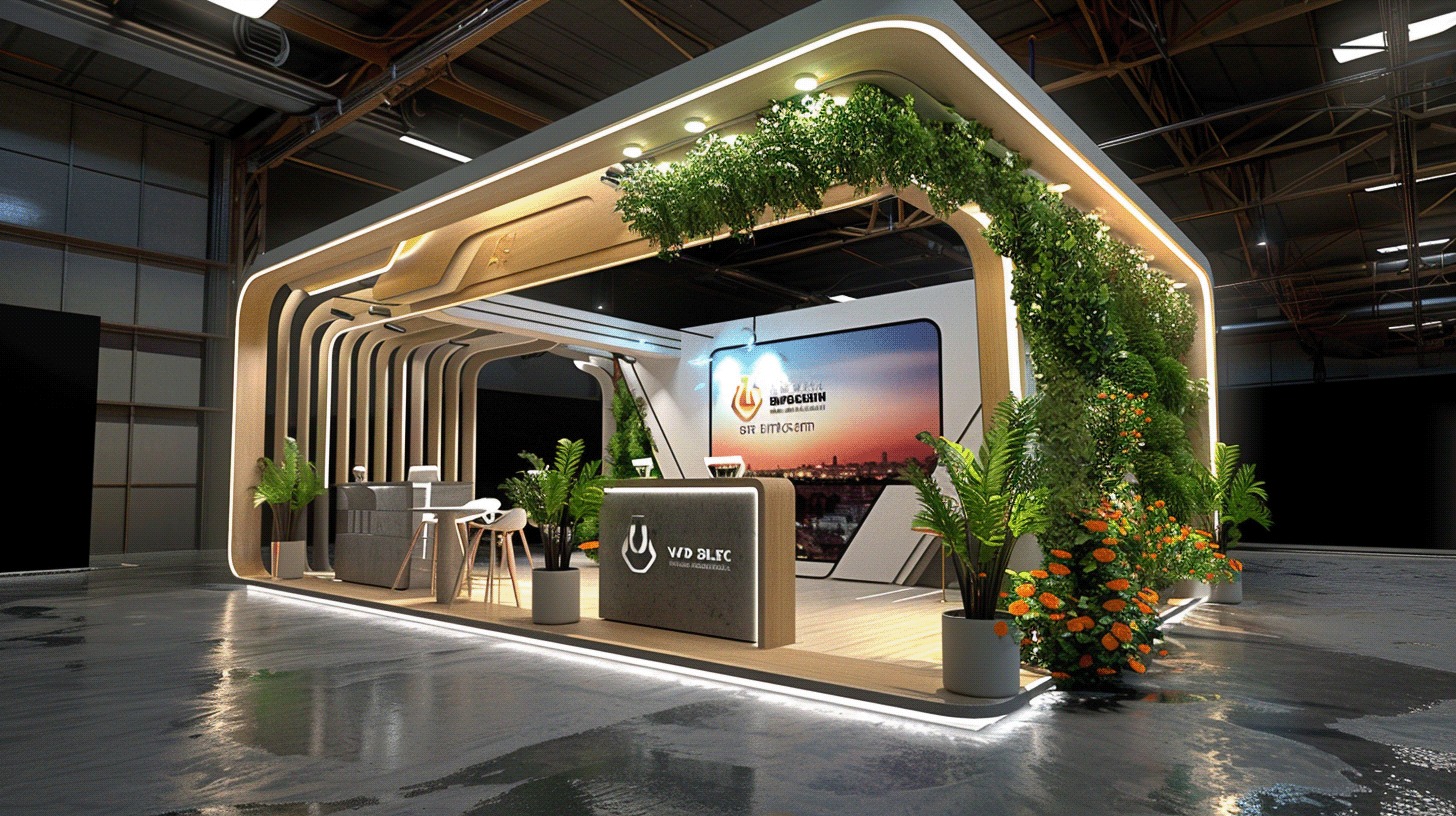
Trade Show Booth Design
Trade Show Booth Design: Use this page when the team needs a booth plan that defines aisle flow, staff positions, demo surfaces, and graphics hierarchy before production choices start locking in.
Read moreExhibit Fabrication
Exhibit Fabrication: Read this when material selection, finish quality, tolerances, crate behavior, and shop-to-floor sequencing are the decisions most likely to decide whether the build arrives ready.
Read moreCustom Exhibit Builds
Custom Exhibit Builds: Use this for custom environments that need structural ambition, brand-specific detailing, and enough operational discipline to keep the concept buildable in an Atlanta venue.
Read moreTrade Show Project Management
Trade Show Project Management: Read this when the project needs one calendar for approvals, vendors, freight, graphics, labor, and show-service deadlines instead of scattered status updates.
Read moreInstallation and Dismantle
Installation and Dismantle: Use this when move-in and strike are the risk points, especially for teams that need cleaner staging, component protection, repacking, and a controlled handoff after the show.
Read moreExhibitor-Appointed Contractor Coordination
Exhibitor-Appointed Contractor Coordination: Read this when an EAC path, show-management approval, venue forms, and house-service boundaries need to be clarified before the exhibitor commits to a support model.
Read moreTrade Show General Contracting
Trade Show General Contracting: Use this when the program needs a general-contracting lens across service contractor coordination, venue requirements, exhibitor communications, and show-floor execution.
Read moreTrade Show Labor Management
Trade Show Labor Management: Read this when the booth plan depends on accurate labor calls, role clarity, install sequencing, and enough supervision to keep the floor from turning into guesswork.
Read moreStart with scope, not a service menu
Atlanta exhibitors usually need more than one isolated task. A design page is useful only if it explains how the concept survives production, and a logistics page is useful only if it connects freight decisions to the actual installation schedule.
That is why the service pages are organized around workstreams instead of generic promises. Each entry should help a buyer decide what has to be settled first, who needs to be involved, and where delay or ambiguity will create cost later.
The goal is a service plan that makes the booth easier to manage. When design, fabrication, shipping, labor, AV, graphics, and show-site supervision are scoped together, the program has a better chance of staying composed once the hall gets busy.
Atlanta venues change the service mix
Georgia World Congress Center, GICC, Cobb Convention Center, Gas South Convention Center, and AmericasMart each create different pressure points. Some scopes need heavy freight planning, some need faster reset behavior, and some need more attention to utilities, graphics timing, or show-management approval.
The labor research in this project is careful about that point. Atlanta should not be described with blanket labor claims; the better service copy talks about EAC approval, exclusive utilities, house services, rigging or AV routing, and the show rules that apply to the actual event.
A strong service entry therefore connects the work to the building. If the venue changes how freight arrives, how power is ordered, or how exhibitors coordinate vendors, that information belongs in the service plan before the booth is already in motion.
How to choose the next service page
Start with the failure point the team most wants to avoid. If the concern is visitor flow, review design. If the concern is a clean build, review fabrication. If the concern is schedule control, review project management, labor, logistics, or show-site supervision.
Many Atlanta projects benefit from reading two or three service pages together. Booth design and graphics production often move together, while fabrication, storage, and refurbishment become more important when the same system will travel through a longer event calendar.
That comparison keeps the buyer from treating services like interchangeable add-ons. The right page should sharpen the brief and make the next conversation more specific.
What strong service planning protects
The visible booth is only one part of the outcome. Strong service planning protects the budget, the install window, the brand standard, the staff experience, and the next show that may reuse the same core assets.
That matters in Atlanta because the market is spread across downtown halls, airport access, northwest corporate venues, and northeast regional facilities. A service plan that ignores those differences can look complete on paper and still create problems during move-in.
A useful service page should leave the buyer with a clearer operating model. It should explain what the scope controls, what it depends on, and how it fits into the full exhibit-company program.
Next move