
About
About Trade Show Exhibit Company of Atlanta
Trade Show Exhibit Company of Atlanta helps Atlanta exhibitors plan complete trade show programs with strategy, creative direction, fabrication, logistics, and venue-aware delivery.
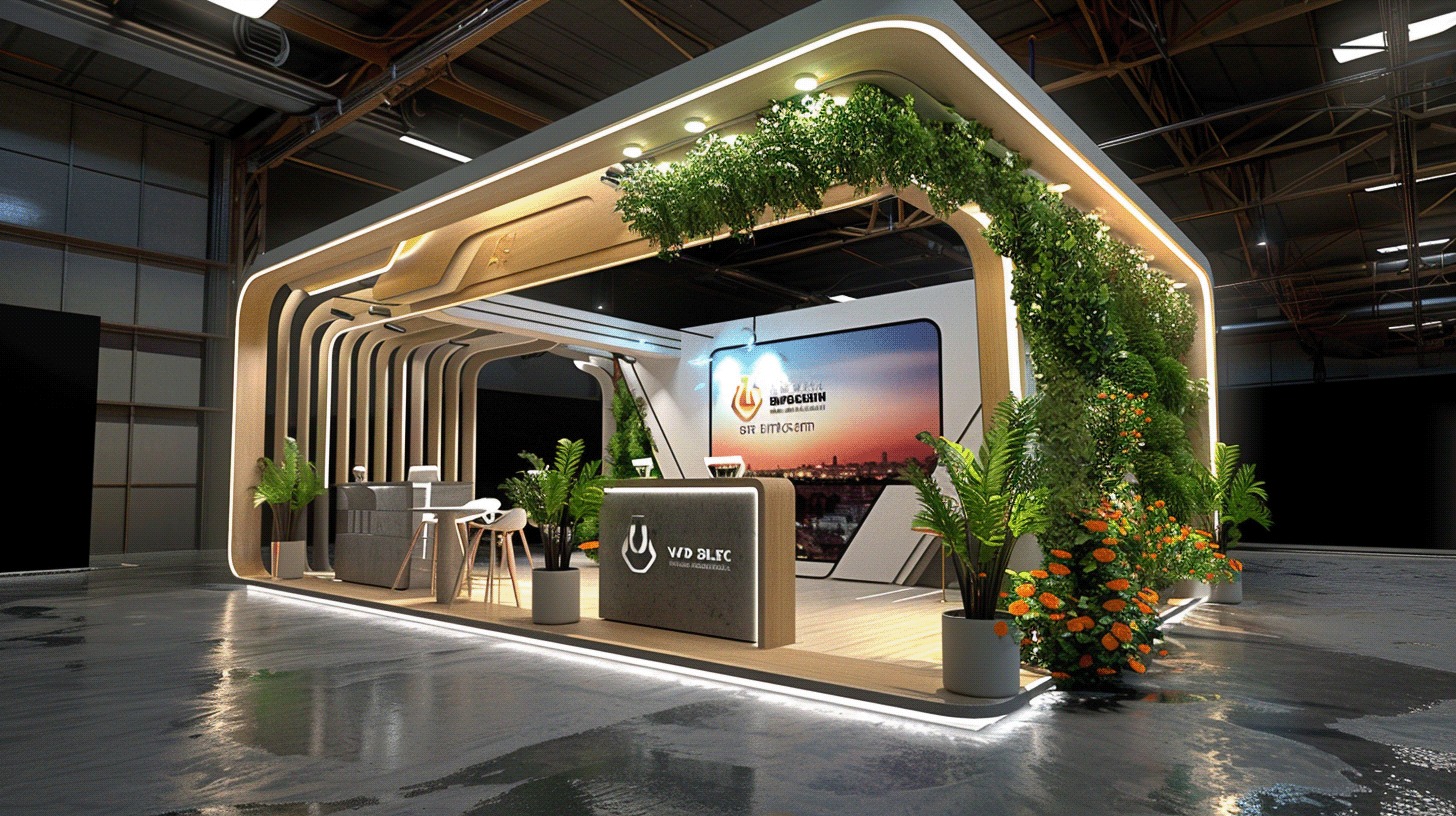
How the company is designed around full-service delivery
Trade Show Exhibit Company of Atlanta is designed around full-service exhibit delivery because Atlanta buyers usually need one accountable lead across concept, fabrication, graphics, logistics, venue paperwork, and show-floor supervision. That keeps ambitious programs from splintering into disconnected vendor handoffs and reduces the chance that important assumptions get lost between phases.
The market supports that model. Atlanta demand spreads across Downtown convention work, the Airport corridor, Cobb, Gwinnett, and the surrounding neighborhoods where hotel, showroom, and meeting-space activity all spill into the same calendar. A company that can move between those conditions gives exhibitors more continuity when booth size, audience mix, or venue rules change from show to show.
The practical result is simple: buyers can spend more time refining the message and less time reconstructing the process. The service model is meant to make the work feel steadier, clearer, and easier to manage when deadlines tighten and the project needs one version of the truth.
That kind of structure matters because an exhibit program is rarely a one-off object. It is usually part of a broader event rhythm that has to survive future shows, different venues, and shifting goals without losing its core identity.
It also gives internal teams a cleaner way to work together. Marketing can stay focused on the message, operations can stay focused on the delivery path, and leadership can compare options without having to translate between separate vendor languages.
For buyers, that means the early conversation can stay practical. Instead of debating every detail from scratch, the team can use one shared framework to decide what deserves investment, what should be standardized, and where the event-specific details really matter.
How Atlanta market research shapes the offer
Atlanta's trade show demand splits across four practical operating zones: downtown Atlanta, the airport / College Park corridor, the Cumberland / Cobb submarket, and the Duluth / Gwinnett corridor. That is why the copy does not rely on generic metro language. It uses actual venue corridors and operational realities to shape services, entries, and scope language so a buyer can see how the work changes between Downtown Atlanta, College Park, Cobb, and Gwinnett.
Research also shapes how venue and labor language is handled. The copy stays close to verified facts, show-management control over install method where applicable, and the house-service rules that matter once a real exhibit program reaches a venue.
The goal is to help buyers make better decisions sooner. When the local context is real, the planning conversation gets more concrete and the project brief gets easier to trust.
That is especially important in a market where venue type, airport access, and event scale can change the planning path quickly. The more exact the market language, the more useful the copy becomes to a buyer who is trying to compare options fast.
It also keeps the content from drifting into national generic copy. Atlanta has enough density, enough venue variety, and enough event styles that the local story should carry real information, not simply a city name in the headline.
The research also helps the company speak with the right amount of specificity. A good local entry should sound like it understands the city’s event ecosystem, not like it was assembled from a generic pattern and a map pin.
What the company actually helps buyers coordinate
The company is written for exhibitors who need more than a booth graphic and less than an ambiguous national agency pitch. That usually means concept development, structural design, fabrication oversight, graphic production, show-service coordination, freight logic, install scheduling, dismantle sequencing, and venue-specific preparation.
The copy also assumes that buyers want continuity. A full-service program works best when the same exhibit logic can extend across conference displays, expo footprints, sponsor environments, meeting suites, and registration zones. That continuity keeps the brand system coherent instead of turning into a patchwork of unrelated pieces.
The working promise is consistency under pressure. If a show has to move, grow, shrink, or repeat in a different venue, the program should still feel like one connected system rather than a fresh guess each time.
That consistency is what makes the materials useful to marketing, operations, and leadership at the same time. Each group can read the same entry and understand how the plan will behave once real deadlines, real venues, and real event goals come into play.
The coordination also matters after the event, when teams need to evaluate what worked. A coherent scope makes it easier to identify which parts of the system should be reused, which should be refreshed, and which should be simplified before the next show cycle begins.
It is also a more respectful way to work with the buyer. A clear operating model gives the client room to ask better questions and reduces the chance that the project gets bogged down in avoidable translation between creative, production, and venue-specific terms.
What good collaboration looks like here
The best projects usually start with clear inputs: target show date, venue, exhibit footprint, visual ambition, and the number of events the system needs to survive. Once those basics are set, the team can make better decisions about budget, material selection, and how much of the build should be reusable.
A healthy collaboration is also honest about constraints. If a venue has exclusive services, if the freight window is tight, or if the booth needs to support sales meetings and live demos at the same time, those realities belong in the first conversation instead of being treated as last-minute surprises.
That approach keeps the work practical without making it dull. The creative idea still matters; it just gets developed inside a structure that is designed to hold up in the real world.
The point is to make the process feel confident, not complicated. When the team knows what the job is meant to do, it can make better design and logistics decisions without having to rebuild the brief from scratch at every step.
It also makes approvals easier. A buyer is more likely to move quickly on a plan that clearly explains the footprint, the tradeoffs, the venue considerations, and the reason each piece exists in the build.
Good collaboration should also leave room for judgment. Not every project needs the same level of custom work, and not every event deserves the same materials or staffing model. The benefit of an experienced partner is knowing how to calibrate the answer without flattening the ambition.
What the buyer should expect from the relationship
A useful working relationship should feel organized, responsive, and grounded in the actual event rather than in abstract promises. The client should know what has been decided, what still needs to be resolved, and which parts of the project are being formed by venue or schedule constraints.
That clarity tends to reduce stress on both sides. When the scope is visible, the project can stay focused on the parts that matter most: the quality of the exhibit, the reliability of the logistics, and the way the show-floor experience supports the brand story.
The end goal is a better working rhythm that makes the next event easier to plan and easier to execute.
If the relationship is working well, the buyer should feel that the team is moving with them instead of constantly catching up to them. That is a practical benefit, but it is also a trust signal that matters when the calendar starts to fill up.
That rhythm is what makes the company useful beyond a single project. Once the client has a clear way to plan, it becomes easier to reuse the same logic for the next venue, the next audience, and the next round of event decisions.
Why the copy itself matters
The content in this section is meant to match the operating model behind the work. If the company is supposed to be clear, careful, and venue-aware, the language should sound that way too.
That is why the about section stays specific to Atlanta, to trade show exhibit delivery, and to the kind of planning that matters when real money, real deadlines, and real venue rules are in play. The copy should feel useful to someone who is trying to make a decision, not simply someone who is scanning for keywords.
When the words match the work, the section does a better job of building trust before the first call ever happens.
How the company talks about the market
The copy tries to speak like someone who understands the market rather than someone who is collecting search phrases. That means it keeps coming back to venues, corridors, event formats, and the work required to get a booth from concept to floor without losing control of the details.
The benefit of that approach is that the section becomes more useful to actual buyers. A buyer reading it should feel that the company understands how Atlanta projects change from one venue to another and why that difference matters when a project is being scoped, sold, and delivered.
In practice, the language is meant to be a planning aid. It should help a buyer sharpen the brief, identify the most relevant topic, and arrive at the first conversation already oriented around the real decisions that will shape the work.